
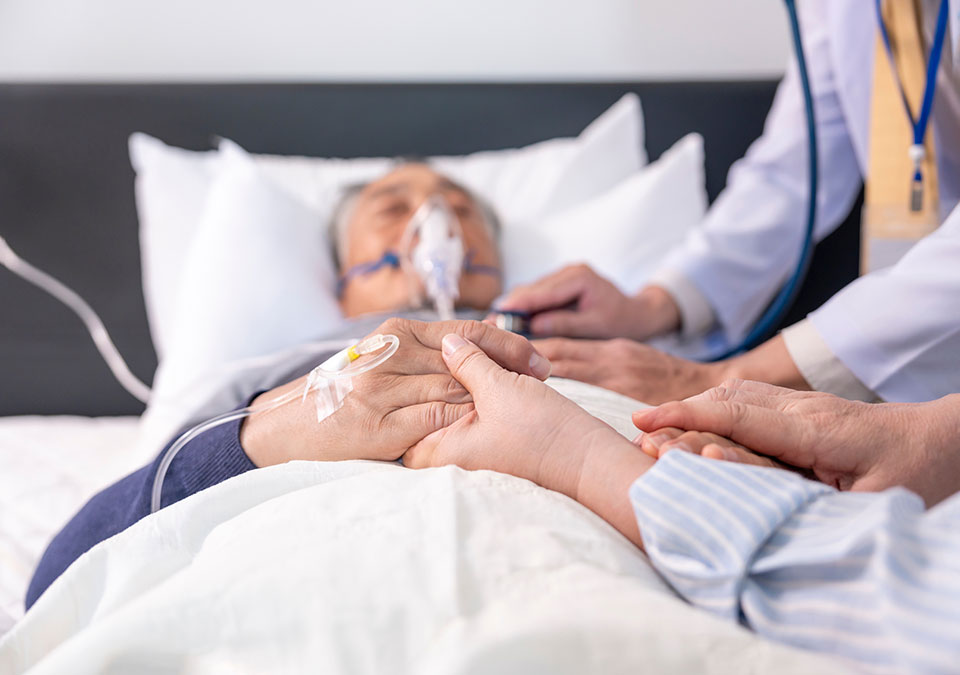
Although primary care doctors treat people of all ages, you may at times encounter patients who are nearing the end of their lives. While specialists often handle the bulk of this work, family doctors still play a significant role in end-of-life care issues.
With that in mind, here’s what you should know about the current approaches and challenges in caring for patients nearing the end of their lives.
Can Primary Care Physicians (PCPs) Practice Hospice and Palliative Medicine?
Increasingly, PCPs are taking a more proactive approach to end-of-life care. In general, family physicians should play a role in end-of-life medicine since they have established relationships with their patients. They are also often more accessible than specialists.
In fact, studies have found that up to 90% of care received in the last year of life occurs at home, with the help of family doctors and nurses.
If desired, PCPs can earn a Certificate of Added Qualification in Hospice and Palliative Medicine through some specialty boards.
Contemporary End-of-Life Issues in Healthcare
People approaching the end of their lives may have different needs than other patients. Although end-of-life care has evolved throughout the years, so have the myriad of complex issues associated with it.
Of course, with change comes potential solutions. Below, explore contemporary concerns and potential courses of action for addressing end-of-life issues.
Symptom Management
One of the biggest challenges facing PCPs in end-of-life medicine is symptom management. Unfortunately, without a standardized approach, doctors may not always know how to provide appropriate end-of-life care.
Other issues that can influence a doctor’s ability to provide high-quality palliative care include:
- Time constraints
- Medication difficulties
- Lack of access to specialists
That said, PCPs should take steps to address some of these concerns, like implementing the TLC Model.
Rural Healthcare
Palliative and hospice care in rural settings has long been a topic of concern, especially regarding access to care. An inability to access appropriate services can negatively impact the patient’s quality of life.
Additionally, many rural populations are older and experience higher rates of disability or chronic disease. However, health professional shortages make it difficult for patients to access appropriate services.
Luckily, innovation has led to some unique solutions for the problems facing rural end-of-life medicine. For example, a plan developed in Washington integrates palliative care with community-driven action plans and clinical mentoring. This program has helped improve access to care, reduce isolation, and decrease ER visits.
Inequities
Many communities face inequities that hinder their access to high-quality care. Race, ethnicity, sexual orientation, and socioeconomic status are just a few of the factors that play into health inequities.
For example, research shows that people of color seeking palliative and hospice care may find:
- That it doesn’t cover diseases and conditions more common in communities of color
- That doctors provide less information about diagnosis, prognosis, and treatment options
- That they may face delays in treatments and referrals
- That they often experience higher expenses, greater caregiver burden, and more pain than white people
People experiencing poverty and the LGBTQ+ community also face quality issues and prejudice when seeking end-of-life services.
However, there are ways to alleviate these concerns, starting with increasing diversity in the sector. PCPs should also promote advanced care planning and discuss treatment preferences with marginalized groups.
Additionally, expanding access to end-of-life care in underserved communities is crucial. Physicians should also understand the communities they serve to provide culturally appropriate care.
Ethical Issues
As a person nears the end of their life, they need to be treated with dignity, respect, and understanding. After all, the goal of palliative or hospice care is to improve the person’s quality of life.
However, physicians may encounter ethical concerns, especially in patients with cognitive decline. The doctor’s job is to do what they can to benefit the patient without prolonging their suffering.
Some patients may have an advance directive, which the physician should consult if the person loses decision-making capacity. Other patients may have a medical power of attorney (POA) in place to make these health decisions.
Unfortunately, medical POAs may make decisions that prolong the patient’s suffering or are “medically futile.” Since the doctor’s goal is to determine what is “fair” and “just” for a dying person, this can create some sticky situations.
One potential solution is an integrated, value-based care model for end-of-life. These programs help you articulate patient goals, making it easier to help them navigate their time on their terms.
Stay Up-to-Date With End-of-Life Care
As end-of-life medicine continues evolving, new challenges—and solutions—will arise. One of the easiest ways to keep up with these changes is through continuing medical education (CME). Browse our conferences today to find sessions centered around geriatrics and current approaches to end-of-life care.