
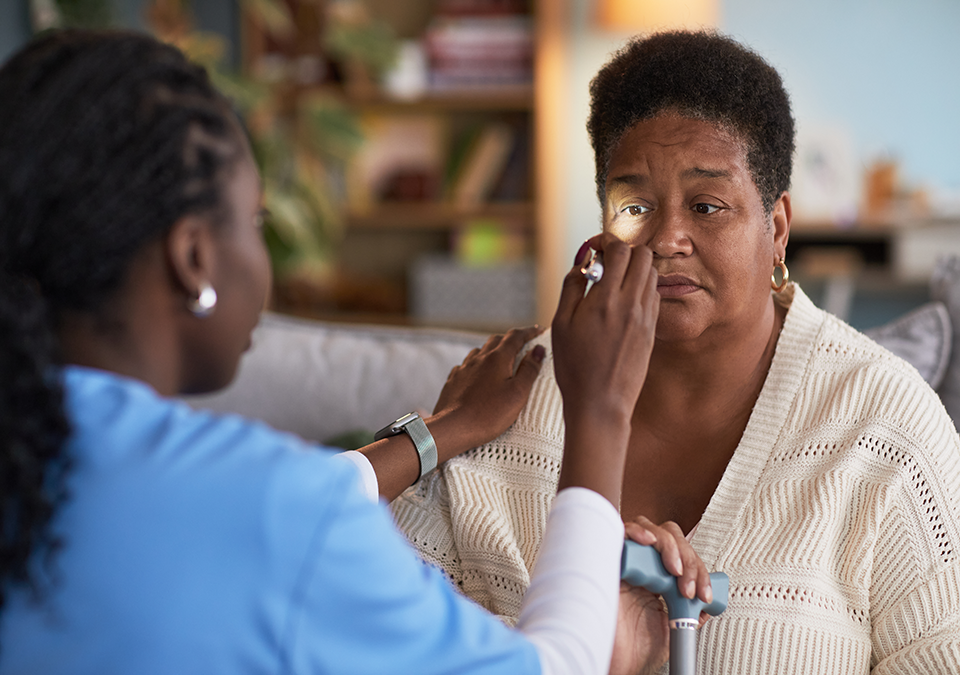
Yearly well visits, blood pressure screenings, and the flu vaccine. Each of these is a common example of preventive medicine, or measures intended to help prevent illness, injury, and health conditions.
As part of proactive primary care, preventive medicine can improve health outcomes and well-being for all ages. Below, learn more about the benefits of proactive medicine and the role primary care plays in it.
Primary Care vs. Preventive Medicine
Preventive medicine is what medical practitioners do to prevent illnesses and conditions, while standard primary care also includes treating existing concerns.
One of the most common types of preventive medicine is the yearly well-visit performed by many primary care physicians (PCPs). However, other professionals can also play a role in preventive medicine, including nurses, educators, researchers, and government officials.
What Does Preventive Care Encompass?
A variety of services are classified as preventive medicine, from immunizations to health screenings. They fall into three categories:
- Education and awareness: The education stage, or “primary prevention,” occurs when practitioners share general knowledge. Topics PCPs may discuss include nutrition, exercise, and alcohol and tobacco use. They may also encourage screenings and vaccinations.
- Secondary prevention: At the secondary level, physicians use early interventions to manage a developing condition and analyze risk factors.
- Tertiary prevention: In the third stage, practitioners aim to prevent the disease or condition from worsening after diagnosis. Services can also include patient support groups, rehabilitation programs, and long-term health management.
With that in mind, here are some examples of the screenings and services that qualify:
- Cholesterol screening
- Diet counseling
- Cancer screening
- Type 2 diabetes screening
- Sexually transmitted infection (STI) screening and prevention counseling
- Vaccinations
- Tobacco and alcohol use screening and counseling
- Mental health screening
Many other tests can also count as preventive, though whether a patient’s insurance covers them can vary by age, gender, and other risk factors.
Benefits of Preventive Care
Preventive healthcare offers numerous benefits for providers and patients alike:
- Improves community health and well-being
- Helps people live longer and have a better quality of life
- Increases the efficiency of care delivery
- Makes care more affordable for patients and the broader healthcare system
- Prevents the spread of infectious diseases
- Helps address the root cause of disease
- Enhances health outcomes for marginalized groups
Some estimates suggest these services could save up to 100,000 lives per year. Considering 6 in 10 US young adults suffer from a preventable chronic disease, proactive medicine is more crucial than ever.
Primary Care’s Role in Preventive Services
Although some practitioners specialize in preventive care, PCPs are often the first point of contact. Generally, family doctors see patients most often, allowing them to conduct wellness exams, administer vaccines, and order screenings.
Here are some additional ways PCPs influence preventive medicine:
Awareness and Accessibility
While most insurance plans cover some preventive care, individuals may be unaware of what their plans cover or what their doctors offer. PCPs are in a prime position to inform patients of their options and why such services matter.
Aside from awareness, patients may also face geographic and financial barriers. For example, people in rural areas may not have easy access to facilities that provide such services.
Transportation issues, job constraints, and childcare can also make it difficult for people to prioritize checkups and screenings.
However, PCPs can help make preventive care more accessible by providing such services in the clinic. They can also inform patients about resources available to help them attend yearly wellness visits or get screenings.
Patient Education
Patients with low health literacy may be less likely to engage in preventive care. These individuals may find it challenging to understand their options or why screenings are beneficial.
Physicians are in an ideal position to help bridge the knowledge gap. Doctors who provide patient education help people make better health decisions.
Long-Term Patient-Provider Relationships
Primary care doctors can typically build long-term relationships with their patients. In doing so, they become familiar with each person’s medical history, lifestyle, and values or beliefs. With this information, PCPs can offer a more personalized approach and identify health patterns.
Plus, positive patient-provider relationships can make it easier for each person to feel engaged with their health.
Learn More About Preventive Care With CME
Stay up to date on the latest screening and vaccine guidelines, as well as education strategies, with CME. Browse our upcoming in-person and virtual seminars today to get started.