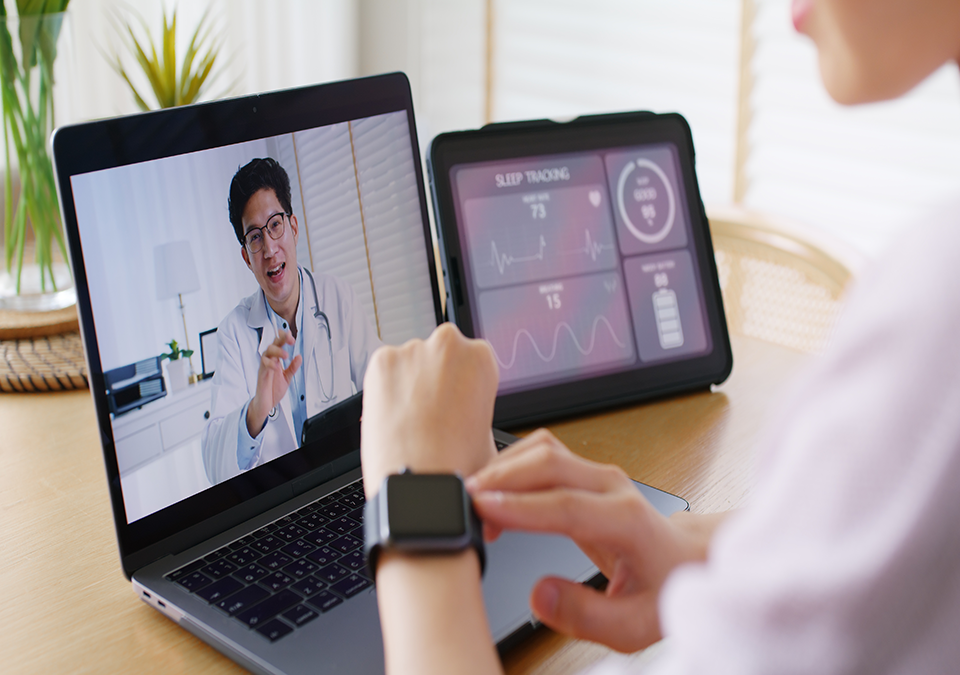
Gone are the days when a patient with a chronic condition must come to the office to have their vital signs taken. In the modern medical landscape, technology has made it easier than ever to monitor patients as they go about their daily lives.
With that said, remote patient monitoring best practices continue to evolve as new technologies emerge. Explore remote health technology, including use cases, benefits, and best practices, below.
Remote Patient Monitoring Technology
Remote health monitoring involves medical devices that people can take home or use on the go. The technology collects relevant data that a provider can review to help patients manage health conditions.
Many types of devices qualify as remote monitoring tools, including:
- Body weight scales
- Blood sugar monitors
- Pulse oximeters
- Heart rate monitors
- Sleep apnea devices
- Blood pressure monitors
- Pregnancy monitors
- Wearables that measure vital signs, track movement, or monitor sleep patterns
- Electrocardiogram (ECG) monitors
These devices can make it easier for physicians to monitor a wide range of concerns, including:
- Heart disease
- Diabetes
- Perinatal care
- Obesity
- Post-surgical recovery
- Cancer
- Hypertension
- Pulmonary conditions
- Neurological disorders
- Malnutrition
When used appropriately, this technology is a beneficial tool for managing long-term health conditions. It also offers a range of benefits for both patients and their providers.
Benefits of Using Remote Monitoring Tools in Healthcare
Many doctors are adding remote monitoring to their treatment roster, as it may make it easier to manage patients’ health concerns. Preliminary studies on the advantages of such tools have found that they can:
- Improve care coordination for people with chronic conditions or complications
- Enhance patient-provider communication and shared decision making
- Provide visibility into patients’ lives outside of visits
- Increase the early detection of health concerns
- Help doctors use real-time data to inform treatment plans
- Allow physicians to react to patient concerns faster
- Reduce hospitalizations
Remote monitoring holds significant potential, helping doctors gain a deeper understanding of how daily life influences a person’s health (and vice versa).
How Do Patients Benefit From Remote Monitoring?
While many provider-specific advantages also positively affect patients, the technology offers other benefits. For instance, remote health monitoring can help people:
- Increase their health knowledge
- Make care more accessible by reducing the need for travel, time off work, or childcare
- Enhance patient engagement with their healthcare decisions
- Prevent medical problems from occurring or worsening
- Encourage behavioral changes and self-care
- Improve their confidence and satisfaction
And, patient-focused advantages can make the healthcare team’s jobs easier too.
Challenges of Remote Patient Monitoring (And How to Overcome Them)
For all its benefits, remote monitoring is not perfect (and neither are the people who use it, from doctors to patients). Physicians can face several challenges when using such technologies, but there are also plenty of ways to address them. Examples include:
Proper Device Usage
While some people may be familiar with the technology or find it intuitive, others may struggle to use it correctly. Medical staff need to provide appropriate patient education to help them understand how a device works and how the data will be used.
Patient Safety Concerns
It’s important to remember that these devices are not infallible and may lead to safety concerns. For example, the technology may be unable to identify when the data indicates a patient needs help from a practitioner.
However, with proper escalation protocols, physicians can minimize these concerns and help patients receive higher-quality care.
Time Constraints
While remote monitoring provides many benefits, it also requires doctors to manage an influx of data. Unfortunately, that may lead to an increased workload, whether due to onboarding patients to the technology or interpreting the data.
It may be helpful to have dedicated staff members review and flag data from the devices, or to use a vendor that handles these actions on your behalf.
Accessibility
Certain barriers can make it difficult to offer these services to patients. For example, people lacking digital or health literacy may be less likely to receive such services. And when they do, they may not know how to engage with the devices appropriately.
To help minimize these barriers, practitioners need inclusion criteria that specify who has access to such services. Additionally, physicians should be able to educate individuals on the proper use of home monitoring devices.
Social Determinants of Health (SDoH)
The SDoH can widely influence a patient’s interaction with remote monitoring technology. Many patients face concerns about cost, especially depending on their insurance coverage.
Additionally, socioeconomic status or geographic location could lead to poor web connectivity, inhibiting the use of these devices.
Culture can also influence an individual’s willingness to adopt remote health technology. Depending on a person’s background, values, or beliefs, they may distrust the devices or prefer face-to-face interactions.
Physicians can identify these concerns with auditing strategies and respond by offering the patient extra support, education, or alternatives.
Learn More About Remote Patient Monitoring
As medical technology continues to evolve, keeping up with the latest options, use cases, and best practices is more important than ever. Luckily, CME makes it easy to stay up to date on new developments.